Over the past five years, working at the frontlines of agricultural commodity exports through Agroloka Indo Varian, I have watched the rules of global commodity trade shift in ways that many Indonesian exporters are still catching up with.
Price competitiveness, once the dominant factor, is no longer enough to secure a buyer’s trust. Industrial buyers in Asia, Africa, and the Middle East now arrive at the negotiating table with a different checklist: documented traceability, contamination control systems, and internationally recognized certifications.
For Indonesian tapioca exporters, this shift is not a passing trend. It is a structural realignment that will determine who remains relevant in global supply chains for years to come.
When Compliance Becomes Strategy
A common misconception among local exporters is treating ISO 22000 and HACCP as administrative requirements, boxes to check before shipment. This framing misses the point entirely.
At Agroloka Indo Varian, we view these certifications as strategic tools for entering higher-value markets. As global demand for clean-label ingredients rises, our product is increasingly sought after as a premium gluten-free flour substitute in various food applications.
When a company demonstrates compliance with internationally recognized safety frameworks, it speaks the same language as its buyers and reduces perceived risk in cross-border transactions.
For buyers in West Africa or South Asia who have never sourced from an Indonesian supplier before, certification functions as an objective, third-party assurance, one that eliminates the skepticism that developing-country exporters often face simply by geography. That is a market-entry advantage no marketing material can replicate.
Consistency Is the Real Product
Industrial buyers who rely on tapioca starch as a raw material are not simply purchasing a commodity. They are purchasing predictability. A manufacturer producing noodles or adhesives cannot afford to recalibrate their process every time a new shipment arrives with slightly different moisture content or contamination risk.
What they need, and what they are willing to pay a premium for, is consistency across every single ton, every single order. HACCP provides the systematic framework to deliver exactly that.
By identifying critical control points throughout production, from raw material reception and starch extraction to drying and packaging, and setting enforceable parameters at each stage, the system ensures that quality is not the result of good luck but of disciplined process control.
This distinction matters enormously when you are shipping to markets in Mauritius or across the Atlantic, where transit times stretch for weeks, and varying climates create real degradation risks.
A product that leaves the warehouse in good condition is only part of the equation; a product backed by a system that ensures it arrives in good condition is what builds long-term buyer relationships.
Strengthening Indonesia’s Reputation, One Export at a Time
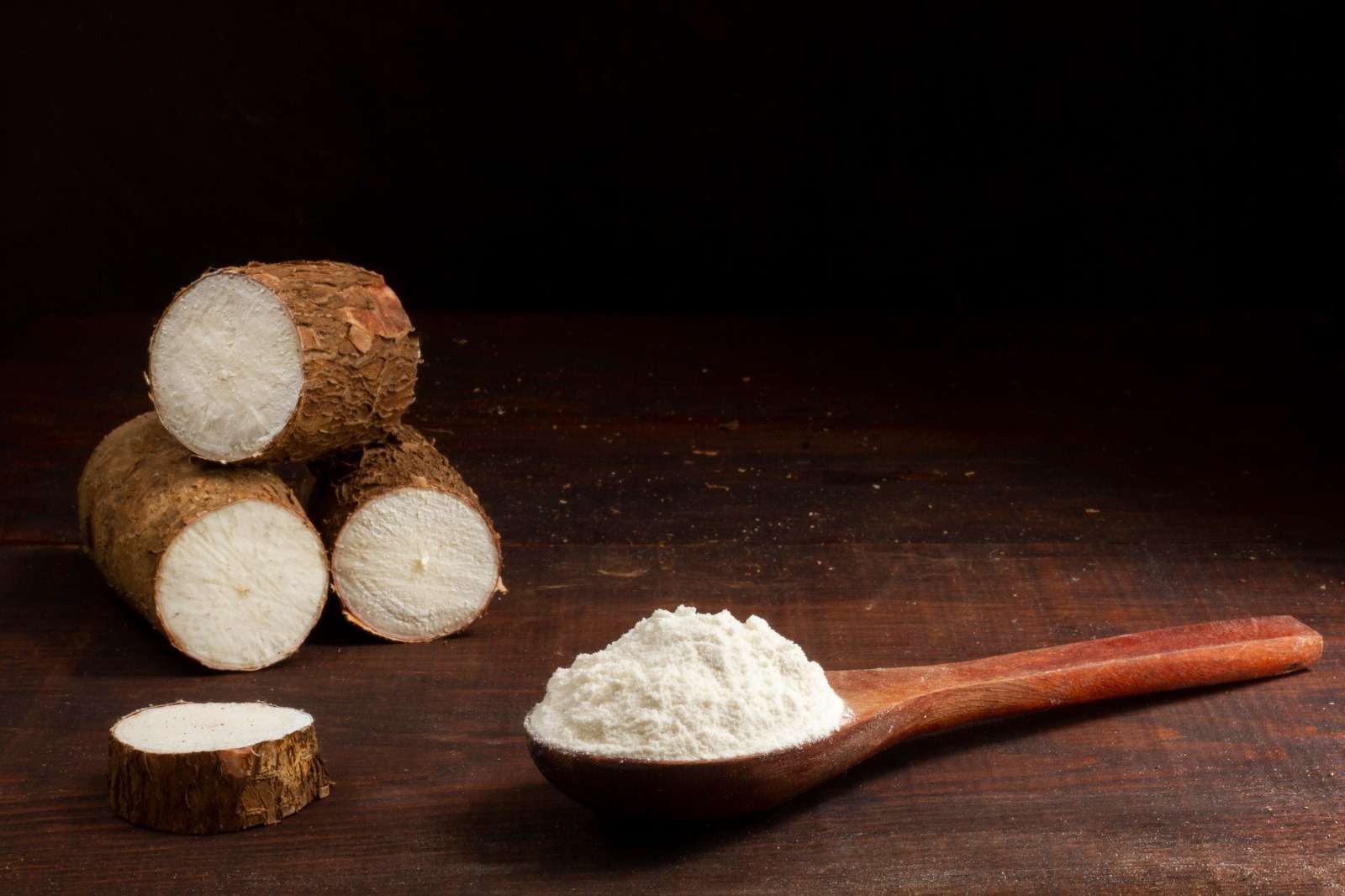
The premium quality of tapioca starch Indonesia already holds a recognized position in global markets, supported by abundant cassava resources.
However, the next chapter of growth requires building a reputation as a supplier of safe, reliable, and consistently high-quality food ingredients, not just affordable ones.
Individual company decisions accumulate into a collective industry reputation. When exporters commit seriously to food safety stacondards, they contribute to a broader shift in how Indonesian agricultural products are perceived internationally.
At Agroloka Indo Varian, we also believe this responsibility extends upstream. We work closely with our smallholder cassava farming partners to improve harvesting practices, raw material handling, and processing hygiene.
Modernizing food safety systems should not exclude traditional producers; it should empower them to remain integrated into global supply chains.
The Cost of Waiting
For exporters hesitant about pursuing certification due to cost or complexity, I would offer this perspective: the real risk is not the investment required to certify. The real risk is falling behind market expectations that are only moving in one direction.
Food safety regulations globally are becoming more stringent, more traceable, and increasingly digitally monitored. Buyers who today request ISO and HACCP documentation will tomorrow demand real-time quality verification and full supply chain transparency.
Companies that delay adoption are not standing still; they are falling behind relative to the market. And when they eventually decide to move, the gap they need to close will be significantly wider. Investing in certification today is, in the clearest sense, investing in long-term market relevance.
At Agroloka Indo Varian, our commitment to international food safety standards is not driven by compliance obligations. It is driven by a conviction that Indonesian tapioca can compete with any global supplier, not just on price, but on trust, consistency, and quality.
That is the standard we hold ourselves to, and the standard we believe the entire industry should aspire toward.
Opinion by: Strategic Expert Team, Agroloka Indo Varian
About the Authors:
This article reflects the collective insights of experienced practitioners at Agroloka Indo Varian, an Indonesian agricultural commodity exporter dedicated to building a reliable and quality-driven tapioca supply chain. With extensive experience in export operations, food safety management, and supply chain development, we are committed to sharing our perspective on how Indonesian commodity exporters can meet the demands of global food safety standards, while empowering local farming communities, strengthening Indonesia’s reputation in international markets, and ensuring long-term competitiveness through consistent quality and certified production practices.