A fundamental shift is taking place in global travel, and Bali sits right at its center. The guests arriving today are not simply looking for a comfortable bed or a beautiful view.
They come with a far deeper need: restoration, balance, and a genuine reconnection with themselves. Whether they are seeking a yoga retreat in Bali or a quiet space for spiritual growth, the modern traveler is looking for an intentional journey.
At Serenity Bali, we have witnessed this transformation up close since we built our wellness community in Canggu in 1999, long before the term “wellness tourism” entered the mainstream hospitality conversation.
From Holiday to Intentional Journey
The difference between going on holiday and embarking on a healing journey is not about the itinerary. It is about intention. Someone on holiday comes to escape routine, seeking distraction and entertainment.
Someone on a healing journey arrives with full awareness that they need to restore their energy, find balance, and reconnect with who they are. The first wants temporary relief.
The second wants transformation. Our role as hospitality practitioners is to create an environment where that transformation can happen organically, without ever feeling forced.
An Ecosystem, Not Just Accommodation
When people ask what sets Serenity Bali apart, my answer is always the same: ecosystem. We are not simply selling rooms.
Guided by the principles of Permaculture and the teachings of Vipassana, we have built an integrated way of living where Bali yoga, plant-based nourishment, community, and a sustainable environment reinforce one another within a single, coherent experience.
This is also why we operate as a smoke-free and alcohol-free guesthouse. That is not an operational policy. It is a statement of values, a deliberate choice to ensure that every element of our environment supports the healing process.
Yoga and Food as the Core of Healing
ist
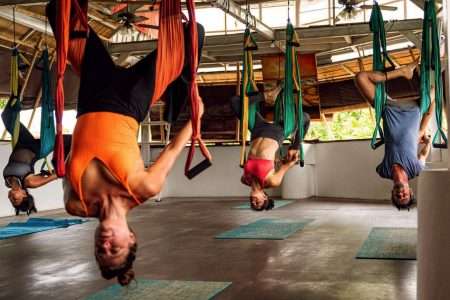
One of the most common mistakes I see in wellness hospitality is treating yoga as just another line item in the list of amenities. At Serenity, yoga is the foundation of everything we do. It breathes life into our spaces rather than filling a time slot.
We have been nurturing this practice since the earliest days of Canggu, rooted in the conviction that a truly healing journey requires a connection to the earth.
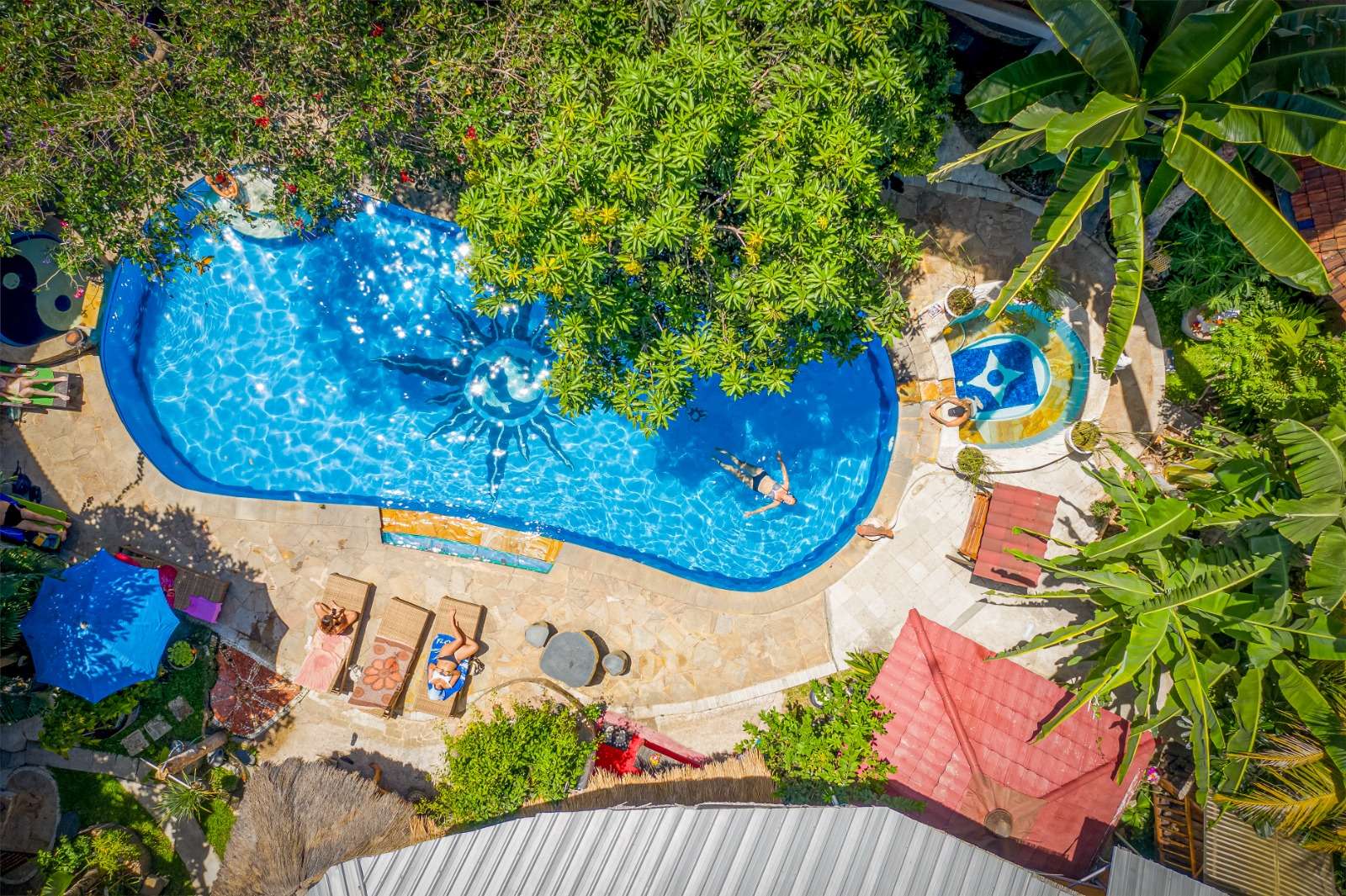
Through our permaculture garden and open-air design, Serenity serves as a living extension of the yoga mat itself. At this quiet green refuge, the environment holds the space for the mind, body, and soul to heal.
Food carries equal weight in this ecosystem. At Alkaline Restaurant, our fully plant-based menu is prepared with alkaline water to support the body’s natural detoxification and energy restoration.
We source only fresh ingredients grown within 50 kilometers, not merely for freshness, but as an act of respect toward local farmers and a commitment to reducing our carbon footprint. When a guest sits down to a meal that is directly connected to the soil of Bali, they are not just eating. They are participating in something larger than themselves.
Community as a Component of True Luxury
There is an interesting paradox in the luxury resort industry: the more expensive a property, the more it tends to isolate its guests. Private villas, personal butlers, exclusive pools shared with no one.
Total privacy is marketed as the ultimate luxury. Yet in the context of wellness and healing, isolation can become an obstacle. At Serenity, we cultivate authentic social connection through shared spaces and communal dining tables where guests meet fellow travelers, teachers, and locals.
That sense of belonging is itself part of the restoration. True luxury, as I see it, is not about gold fixtures. It is the space to breathe, nourishing food, a positive environment, and the harmony of mind, body, and soul.
Guest Transformation Is the Deepest Form of Brand Loyalty
Our guests do not leave with pleasant memories alone. Many return home carrying real change: a morning yoga practice, a taste for plant-based living, or a sustainability mindset they begin to apply in their daily lives.
They also leave as genuine advocates for our Serenity team, encouraging the staff to grow and build greater financial stability. When a stay leaves behind a transformation of that depth, the connection formed with the brand is no longer just a fond memory.
It becomes part of the guest’s own identity. A guest whose life has genuinely shifted does not need to be persuaded to come back or recommend us. That transformation itself becomes our most powerful ambassador.
Responsibility Toward Bali and the Future of the Industry
Serenity stands on land we own. We are not going anywhere, and that permanence comes with an obligation to protect this island at all costs.
Our permaculture garden, full composting and recycling program, local sourcing commitment, and deep respect for Balinese traditions and spirituality are non-negotiable pillars of how we operate.
For other hospitality leaders looking to begin this journey, my advice is straightforward: start with the things anyone can do without significant investment.
Separate your waste, partner with EcoBali, buy from local farmers, and eliminate single-use plastics from your operations. Your guests have traveled from the other side of the world to experience something they cannot find at home.
If what you offer mirrors what already exists in their own city, there is no compelling reason for them to be here. Read every review, listen carefully, and take real action on what you hear.
Looking five to ten years ahead, I believe the wellness ecosystem model will move well beyond a niche. Indonesia’s own government is increasingly steering tourism policy toward depth of experience rather than volume of arrivals.
Today’s traveler is seeking meaning, not merely comfort. They want an emotionally authentic journey. Eco yoga retreats and holistic hospitality are no longer alternative offerings for a select few. They are the direction in which the mainstream is moving, and Bali is uniquely positioned to lead that shift.
Ultimately, the question every hospitality leader must answer is not simply how to improve occupancy rates, but what legacy they wish to leave, for their guests, for the local community, and for this island.
Hospitality at its best is not about selling a service. It is about facilitating healing, enabling growth, and protecting what makes a place worth visiting in the first place. That is what we work toward every day at Serenity Bali, and that is what we believe the sustainable future of Bali’s hospitality looks like.
Opinion by: Strategic Expert Team, Serenity Bali
About the Authors: This article reflects the collective insights of experienced practitioners at Serenity Bali, a hospitality brand dedicated to building a sustainable wellness ecosystem. With decades of experience in integrating yoga, plant-based living, and community-driven practices, we are committed to sharing our perspective on how the hospitality industry can prioritize transformative guest experiences, environmental stewardship, and cultural preservation, while fostering long-term well-being and meaningful connections.